

Quick answer: An exterior-painting estimate should begin with the visible condition of the walls, trim, coating, cracks, stains, access, and nearby surfaces. Product selection and preparation should follow the exact substrate and approved scope rather than a generic paint recommendation.
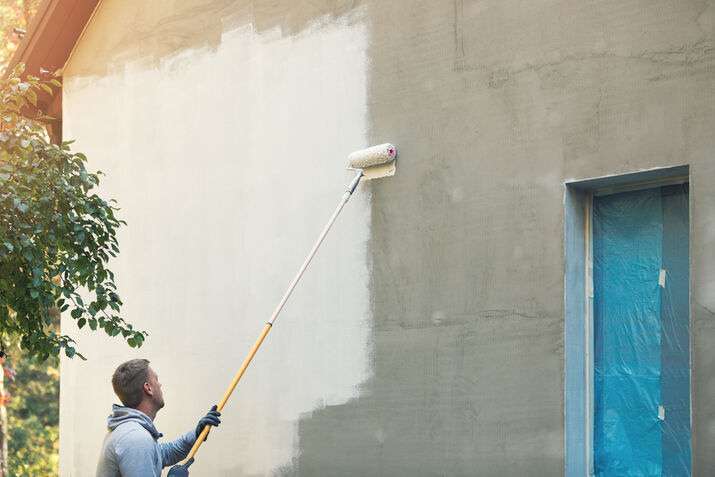
What to Record Before Requesting an Estimate
- Wall and trim materials that can be identified without disturbing the surface.
- Peeling, chalking, fading, staining, cracks, patching, or other visible conditions.
- Doors, windows, fixtures, plants, roofs, pavers, screens, and other nearby areas that must remain protected.
- Ground access, height, obstacles, and any area that cannot be reviewed safely.
- Available information about the existing coating or prior repair work.
What a Clear Painting Scope Should Identify
The written scope should identify the surfaces included, preparation steps, repairs or exclusions, primer or coating information when known, color responsibility, protection of adjacent areas, and the final inspection or handoff. Conditions outside the approved painting work should remain listed separately.
Why Generic Product Advice Is Not Enough
No single coating is the right choice for every exterior surface. Compatibility depends on the substrate, existing finish, preparation, exposure, and current manufacturer information for the exact product. Do not rely on claims such as maintenance-free, weatherproof, or suitable for every Florida home without product-specific evidence.
When Another Scope May Be Needed
Active leaks, electrical concerns, unstable access, structural movement, extensive substrate damage, or another condition outside painting should be evaluated by the appropriate qualified professional. A painting estimate should not be used as proof that those conditions are resolved.
Request an Exterior Painting Review
Review TD Screen FL’s exterior house painting service. To send photos and describe the surfaces you want reviewed, request an estimate.