Rescreening a lanai in South Florida is a common home improvement project. It enhances outdoor living spaces and protects against pests.
Understanding the costs involved is crucial for homeowners planning this upgrade. The price can vary based on several factors.
These include the size of the lanai, the type of screen material, and labor costs. Additional repairs or upgrades can also affect the total cost.
Choosing the right contractor is essential for quality results. Homeowners should consider reviews, licenses, and insurance when selecting a service provider.
This guide will explore the costs and considerations for lanai rescreening in South Florida.
Understanding Lanai Rescreening: What Is It and Why Is It Needed?
A lanai is a screened-in outdoor area that offers protection from the elements and pests while allowing enjoyment of the Florida climate. Over time, these screens can become worn or damaged, prompting the need for rescreening.
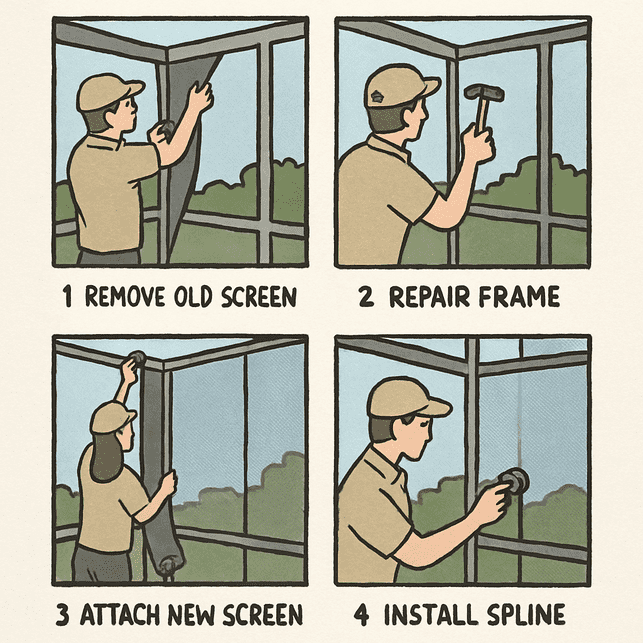
Rescreening involves replacing the old or damaged screen material with new, more durable options. This process can significantly improve the function and appearance of the lanai, extending its lifespan and usability.
Screen damage can result from various factors such as strong winds, UV exposure, or even pet activity. Routine maintenance and timely rescreening address these issues, ensuring continued enjoyment of the space.
Reasons to consider lanai rescreening include:
- Improved pest protection
- Enhanced aesthetic appeal
- Increased property value

Understanding the importance of rescreening helps homeowners make informed decisions. By maintaining or upgrading their lanai, residents can enjoy a comfortable and attractive outdoor environment.
Average Cost to Rescreen a Lanai in South Florida
Determining the cost to rescreen a lanai in South Florida involves various factors. On average, homeowners can expect to pay between $1,200 and $3,500. This range is influenced by the size and design of the lanai, as well as the material chosen for the screens.
Different materials have varying price points. Fiberglass is generally the most cost-effective, while polyester tends to be pricier due to its durability and UV protection. Additionally, aluminum screens are a popular mid-range option.
Labor costs also play a significant role in the overall expense. In South Florida, companies may charge by the square foot or offer flat rates for the entire project. Larger or more intricate designs may incur additional labor costs, especially if accessibility is challenging.
Factors contributing to cost include:
- Lanai size
- Screen material
- Labor charges
- Design complexity
Obtaining multiple quotes from local contractors is a smart move. This approach ensures competitive pricing and helps homeowners make informed decisions about their lanai rescreening investment.
Key Factors That Influence Rescreening Costs
Several key factors influence the cost of rescreening a lanai in South Florida. Understanding these can help manage expectations and budget accordingly. The size of the lanai is often the biggest cost driver. Larger areas naturally require more materials and labor.
Screen material choice is another significant factor. Fiberglass screens are cost-effective, while polyester, due to its durability, is more expensive. Aluminum screens fall somewhere in between, offering a balance of price and performance.
Labor costs can vary widely between contractors. Some charge per square foot, while others may have a flat rate. The complexity of the lanai design can also lead to higher labor costs due to the increased effort required.
Additional elements that can affect the price include:
- Frame repairs
- Hardware upgrades
- Door replacements
Considering these factors can make a big difference. By planning ahead, homeowners can achieve their desired outcomes without unexpected financial surprises. Seeking multiple quotes helps in assessing which factors play the biggest roles in specific projects.
Types of Screen Materials and Their Impact on Price
Choosing the right screen material impacts not only the cost but also the functionality of your lanai. Homeowners in South Florida often consider weather resistance and longevity when selecting materials. Each type of screen material offers unique benefits and price points.
Fiberglass screens are the most affordable option. They provide decent visibility and are easy to install. However, they may not last as long as other materials under harsh weather conditions.
Aluminum screens offer a mid-range price point. They are more durable than fiberglass and resist sagging. Their metallic finish can complement various architectural styles, but they may corrode in humid conditions.
For those seeking longevity and premium performance, polyester screens are the top choice. They are more expensive but offer high durability and UV protection. These screens withstand the test of time, even in Florida’s challenging climate.
Key considerations when selecting screen materials include:
- Cost and budget
- Durability under local weather
- UV and visibility needs

Selecting the right screen can enhance your outdoor enjoyment and add value to your home. Balancing cost with benefits ensures long-term satisfaction.
Labor Costs: What to Expect in South Florida
Labor costs play a crucial role in determining the total expense of rescreening a lanai. In South Florida, these costs can vary based on several factors. The complexity and accessibility of the lanai often affect pricing.
Contractors may charge by the square foot or offer flat rates. Homeowners might also encounter additional fees for complex projects. Labor charges typically include the removal of old screens and installation of new ones.
When budgeting for labor, consider these potential influences:
- Size and design of the lanai
- Contractor experience and reputation
- Seasonal demand for services
In South Florida, obtaining multiple quotes is advised to ensure competitive pricing and quality workmanship.
Additional Costs: Repairs, Upgrades, and Hidden Fees
When rescreening a lanai, it’s essential to account for potential additional costs. Repairs to the frame or structure may arise. These repairs can add to the project’s total cost.
Upgrades, such as new door systems or hardware, are optional but can enhance longevity and functionality. Hidden fees might appear during the process if unexpected issues are discovered.
Consider these potential additional costs:
- Frame and structural repairs
- Hardware upgrades
- Unforeseen labor charges
By anticipating these possibilities, homeowners can avoid budget surprises and achieve a successful lanai rescreening project in South Florida.
DIY vs. Professional Lanai Screen Replacement
Deciding between DIY and professional lanai screen replacement is crucial. DIY projects can save money but require tools and expertise. Doing it yourself often involves a learning curve and potential errors.
Professionals bring experience and high-quality results. They often offer warranties, ensuring peace of mind. Despite higher costs, professional services guarantee longevity.
Consider these factors when choosing:
- Time available for the project
- Skill level and tools on hand
- Quality and durability of outcome
Choosing the right approach depends on your priorities and skills. While DIY is economical, a professional touch ensures a flawless finish.
Using a Cost Calculator for Your Lanai Project
A cost calculator can simplify budgeting for your lanai rescreening project. These tools consider key factors like size and materials to estimate expenses. Homeowners can use online calculators to plan effectively and avoid surprises.
To use a cost calculator, input:
- Lanai dimensions
- Preferred screen material
- Additional features or repairs
Using a calculator can clarify potential costs and guide decision-making. It provides a realistic financial overview before contacting contractors, ensuring you’re well-prepared.
How to Choose the Right Lanai Rescreening Contractor
Selecting a lanai rescreening contractor requires careful consideration. Start by researching local companies and reading customer reviews to ensure credibility. This will help identify experienced and reliable professionals.
Make sure to verify licenses and insurance coverage. Check if the contractor meets state requirements and industry standards. This protects your property and investment.
When narrowing choices, ask potential contractors:
- For detailed quotes
- About warranty terms
- For examples of previous work
These steps ensure you’re hiring a competent contractor. A well-chosen professional guarantees quality results and a smoother project experience.
Tips to Save Money on Lanai Screen Repair and Replacement
Rescreening your lanai doesn’t have to be expensive. Start by getting several quotes from different contractors. Comparing prices helps find the best deal.
Consider scheduling your rescreening during the off-peak season. Companies might offer discounts to fill their calendars.
Here are a few strategies to reduce costs:
- Opt for partial repairs if only small areas are damaged.
- Use a lower-cost screen material without compromising quality.
- Maintain your screen regularly to prolong its life.
These tips can help keep your lanai rescreening project within budget while ensuring quality results.
Planning Your Lanai Rescreening Project
Rescreening your lanai is a significant decision for enhancing outdoor spaces. With careful planning and informed choices, you can ensure a successful project. Understanding costs, materials, and labor can guide your decisions effectively.
Choosing the right contractor is crucial for quality and satisfaction. Take time to research, compare quotes, and check reviews. Thorough evaluation guarantees you get the best service for your investment.
Investing in a rescreening project can boost property value and enjoyment. Plan your budget carefully and consider the long-term benefits. A well-planned rescreening project can transform your lanai into a more inviting and functional space. If you’re ready to get started, reach out through our Contact Us page to schedule your free estimate.
Frequently Asked Questions About Lanai Rescreening Cost in Florida
Homeowners often have concerns about lanai rescreening costs. Here, we address some common questions to aid your planning. Understanding these aspects can help simplify the process.
How often should you rescreen a lanai?
Generally, lanai screens should be replaced every 5-10 years, depending on material and weather exposure.
Can small tears be repaired, or is rescreening necessary?
Small tears can often be repaired, saving the cost of full rescreening.
Does insurance cover rescreening costs?
Usually, insurance does not cover lanai screens, as it's considered maintenance.