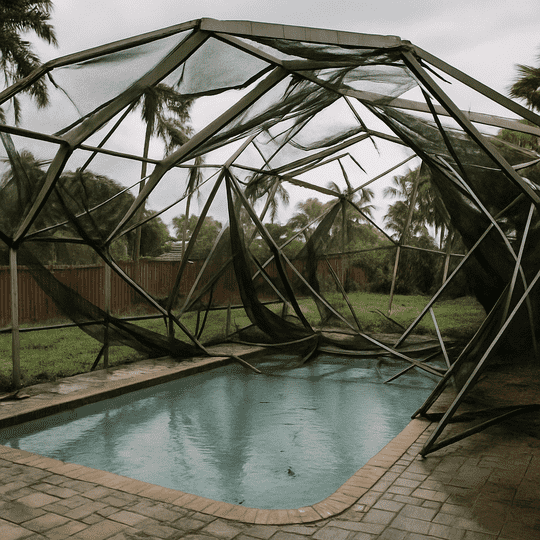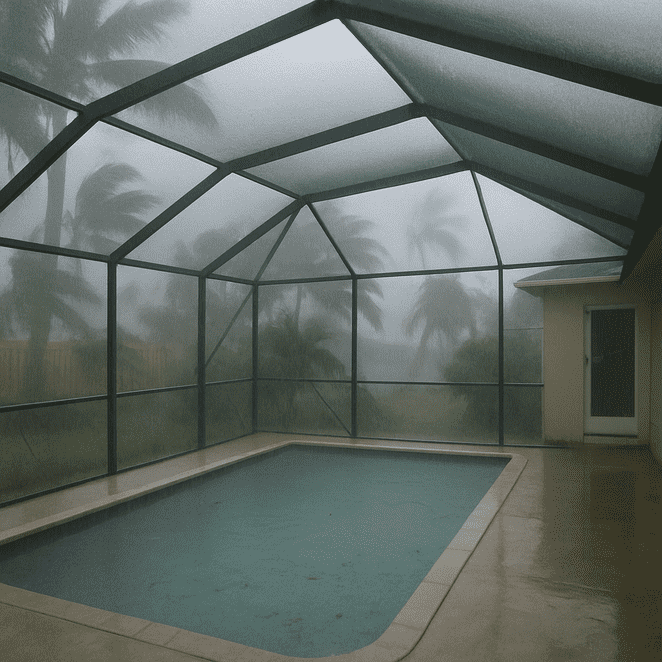
Hurricanes are a reality for Fort Lauderdale residents. They bring strong winds and heavy rain, often leaving damage in their wake. Pool cages, essential for protecting pools from debris and pests, are particularly vulnerable.
When a hurricane strikes, pool cages can suffer bent frames, torn screens, and structural issues. These damages compromise their effectiveness and safety. Timely repairs are crucial to prevent further problems and maintain the integrity of your outdoor space.
Choosing the right repair service is vital. Local experts understand Fort Lauderdale’s unique climate and building codes. They can restore your pool cage to its former glory, ensuring it withstands future storms.

Why Pool Cages Matter in Fort Lauderdale’s Hurricane Season
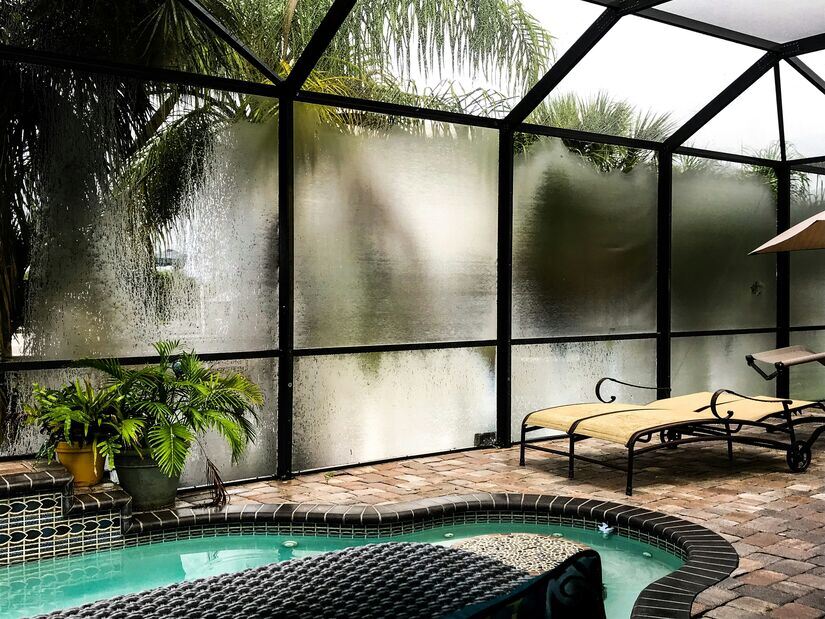
In Fort Lauderdale, pool cages serve several purposes. They keep debris, pests, and harsh sunlight out, ensuring a clean and comfortable pool environment. However, during hurricane season, their role becomes even more critical. A sturdy pool cage helps shield your pool and patio, preventing costly cleanups and potential damage.

Without a pool cage, the strong winds and flying debris common in hurricanes can wreak havoc. Not only could your pool become littered, but the surrounding area might suffer severe damage. A well-maintained pool cage acts as a protective barrier during storms.
The benefits of a pool cage in hurricane-prone areas like Fort Lauderdale include:
- Protection from flying debris
- Reduced maintenance and cleaning efforts
- Increased safety for pool users
Ensuring your pool cage is in good condition before the hurricane season begins can save you trouble and expense. Regular inspections and repairs will help maintain its integrity, offering peace of mind when storms approach.
Common Types of Hurricane Damage to Pool Cages
Hurricanes can inflict various types of damage on pool cages in Fort Lauderdale. The intense winds and heavy rain often lead to significant damage. Even minor issues can escalate if not addressed promptly.
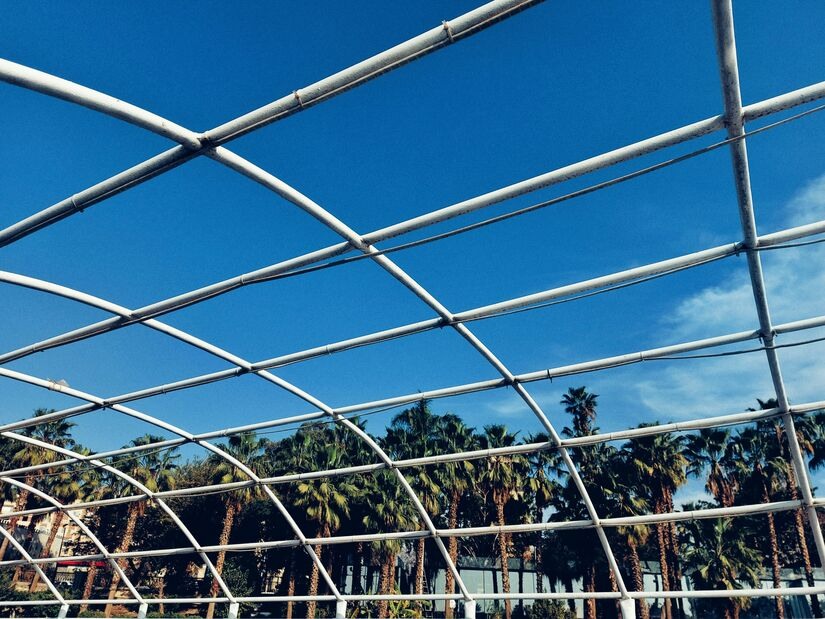
A common type of damage is bent frames. Strong winds can twist aluminum frames, affecting the stability of the structure. Torn screens are also frequent, as flying debris easily punctures them, leaving your pool area exposed to insects and debris. Structural instability can arise if the damage is extensive, posing serious safety concerns.
Some types of hurricane damage to pool cages include:
- Bent or twisted frames
- Torn or ripped screens
- Broken fasteners or connectors
- Damaged support posts
Cracked or broken fasteners might go unnoticed but contribute to the gradual weakening of the structure. Without proper repair, the pool cage’s effectiveness diminishes, making it vulnerable to future storms. Addressing these issues quickly is essential to maintaining the safety and functionality of your pool area. Regular inspections and timely repairs help ensure that your pool cage remains a sturdy line of defense against harsh weather conditions.
How to Assess Pool Cage Damage After a Storm
After a hurricane, assessing damage to your pool cage is crucial. Begin by examining the entire structure for visible signs of wear and damage. Look for any bent frames or panels that may have shifted due to strong winds.
Check the condition of the screens carefully. Torn screens compromise the protective barrier against pests and debris. Be on the lookout for small tears or loose areas that could worsen over time. Confirm that all fasteners are intact and secure, as loose or missing ones can lead to further weakening.
Here are some essential steps to assess pool cage damage:
- Inspect frames for bending or twisting
- Look for torn or loose screens
- Check fasteners and connectors
- Evaluate the stability of support posts
It’s important to evaluate the overall stability. Push gently on different parts of the structure to test its rigidity. If anything feels unstable, this might indicate a deeper issue requiring professional attention. Taking the time to carefully assess damage allows you to prioritize repairs and prevent more serious problems in the future.
The Importance of Timely Pool Cage Repairs
Addressing hurricane damage to your pool cage promptly is essential. Delayed repairs can lead to increased structural instability, making your outdoor space less secure. A damaged pool cage also loses its ability to protect against pests and debris, which can compromise your pool’s cleanliness.
Ignoring necessary repairs can cause further issues. Bent frames or torn screens may worsen with time, leading to more expensive repairs. Prompt action prevents minor damages from escalating into major problems.
Key reasons for timely repairs include:
- Preventing further structural damage
- Maintaining protection against pests and debris
- Avoiding more costly repairs in the future
Taking swift action not only preserves safety and functionality but also maintains the aesthetics of your outdoor space, ensuring continued enjoyment for you and your family.
Professional vs. DIY Pool Cage Repair: What Homeowners Should Know
Deciding between hiring professionals or tackling a DIY pool cage repair can be challenging. Each option offers unique benefits depending on the extent of the damage and personal expertise.
Professionals are skilled in handling complex damages like structural instability or substantial frame replacements. They possess the right tools and techniques, ensuring high-quality work that meets local standards.
DIY repairs, on the other hand, can be a cost-effective solution for minor issues. Homeowners with basic handyman skills might handle small tears or loose screens.
Considerations when choosing between professional and DIY repairs include:
- Complexity of the damage
- Personal skill level
- Availability of necessary tools
Ultimately, while DIY solutions work for minor fixes, professional services offer peace of mind and reliability for significant damage. This choice can make a big difference in the longevity and safety of your pool cage.
The Pool Cage Repair Process: Step-by-Step Guide
Repairing a pool cage damaged by a hurricane requires a strategic approach. The process involves several key steps, each crucial for restoring the structure’s functionality and appearance.
Start with a detailed assessment of the damage. This involves examining the frames, screens, and any supporting components for signs of wear or breakage. Noting these details helps plan the repair process effectively.
Next, remove any debris and dismantle damaged sections. Taking down broken parts allows for clear access to fix specific issues. Safety is paramount during this phase to prevent further harm.
Replacing torn or damaged screens is often the next step. Use high-quality, weather-resistant materials for durability. Secure the screens tightly to avoid future problems.
Structural repairs come next. Bent or broken frames should be straightened or replaced. Reinforcing these areas ensures the pool cage can withstand future storms.
Finally, apply protective coatings and perform a thorough inspection to confirm all components are secure. This step concludes the repair process, ensuring everything is in excellent condition.
- Assess damage meticulously
- Remove and clear debris
- Replace screens with durable materials
- Repair structural elements
- Apply protective measures
Following these steps not only restores the pool cage but also enhances its resilience against future hurricanes.
Choosing the Right Hurricane Pool Cage Repair Service in Fort Lauderdale
Selecting the right repair service is crucial for restoring your pool cage’s integrity. Choosing a local company with experience in hurricane repair ensures familiarity with Fort Lauderdale’s unique climate challenges.
Start by checking online reviews and seeking recommendations from neighbors. Positive feedback and word-of-mouth can guide you towards reliable services that deliver quality work.
Ensure the company is licensed and insured. This protects you against liabilities and ensures the work meets safety standards. Licensed professionals understand local building codes and regulations, crucial for compliant repairs.
Request quotes from multiple providers. Comparing prices and services gives you a clearer idea of the market rate. Don’t just opt for the cheapest; consider quality and warranty options too.
Confirm the company offers comprehensive services, including assessments, repairs, and reinforcement. This ensures all aspects of the repair are handled proficiently.
- Verify licenses and insurance
- Compare multiple quotes
- Check comprehensive service offerings
- Read online reviews
- Prioritize companies with local expertise

These steps ensure you select a repair service that safeguards your investment and prepares your home for future storms.
Costs, Insurance, and Warranties for Pool Cage Repairs
Repair costs can vary based on several factors. The extent of damage, materials used, and labor determine overall expenses. Typically, professional services provide detailed estimates after an initial assessment.
Insurance may cover some repair costs. Review your homeowner’s policy for hurricane damage coverage. Document damage with photos and submit them to your insurer promptly.
Check if repair services offer warranties on their work. Warranties provide assurance about the quality and longevity of the repairs. Terms can vary, so clarify what’s covered and for how long.
Consider the long-term benefits of investing in quality repairs. Spending more upfront can save on future repairs and improve the resilience of your pool cage.
- Consider insurance coverage
- Assess repair warranties
- Weigh long-term cost benefits
- Get detailed repair estimates
Upgrades and Preventive Measures for Future Storms
Enhancing your pool cage can boost its resilience to future storms. Consider using stronger materials for repairs. Reinforced aluminum frames and UV-resistant screens can offer better protection.
Regular maintenance is crucial for durability. Schedule inspections to spot vulnerabilities before hurricane season. Ensuring drainage is adequate can prevent water damage.
Investing in preventive measures can help reduce long-term costs. You may wish to incorporate design improvements that enhance both function and aesthetics. These upgrades not only protect your investment but also enhance the visual appeal.
- Use reinforced materials
- Conduct regular inspections
- Optimize drainage
- Consider design improvements

Protecting Your Pool and Home Investment
Repairing and maintaining your pool cage is crucial in Fort Lauderdale’s hurricane-prone environment. It protects your pool area, ensuring safety and enhancing your home’s value.
Investing in timely repairs preserves the functionality and aesthetics of your outdoor space. By choosing the right repair service, you safeguard your home investment against future storms. A well-maintained pool cage contributes to peace of mind during hurricane season—contact us through our online form to get started today.
Frequently Asked Questions About Pool Cage Repair
How soon should I repair my pool cage after a hurricane?
Timely repairs are essential to prevent further damage and maintain safety. Schedule repairs as soon as possible.
Can I repair my pool cage myself?
Minor fixes might be DIY-friendly, but professional repair services provide the best results, particularly for structural issues.
What factors affect repair costs?
Costs depend on the damage extent, materials, and labor. It's wise to obtain several quotes for comparison.
Does insurance cover pool cage repairs?
Some policies cover hurricane damage. Consult your insurance provider to check if your policy includes pool cage repairs.
What should I consider when choosing a repair service?
Choose a service with hurricane repair expertise and good reviews. Look for warranties and ensure compliance with local regulations.
- Timeliness in scheduling
- DIY versus professional
- Repair cost factors
- Insurance coverage
- Service selection criteria