(305) 540-7222

Call Broward/Miami Pros

(728) 200-9880

Call Palm Beach Pros

Do Screen Enclosures Block UV Rays in Florida?

Quick answer: do not assume an ordinary pool or patio insect screen provides reliable UV protection for people. The amount of ultraviolet radiation filtered depends on the exact mesh material, color, openness, angle, condition, roof or shade above it, and manufacturer-tested product data.

A screen enclosure can improve comfort and reduce insects and debris, but it is not a replacement for shade, protective clothing, sunglasses, and broad-spectrum sunscreen. Use the daily UV Index when planning outdoor time.

Screen Rooms

What Standard Insect Screen Is Designed to Do

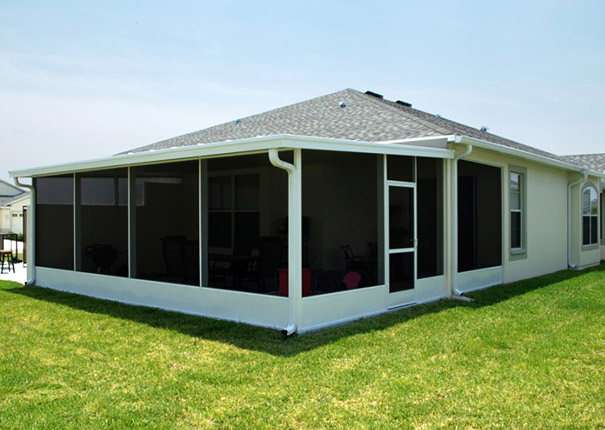
Standard screen is primarily selected for insect control, airflow, and visibility. It may interrupt some direct light, but that does not establish a verified UV-blocking percentage. Gaps, doors, roof panels, open mesh, sun angle, reflection, and damaged panels all affect exposure inside an enclosure.

Quality Screen Enclosures

How Screen Type Changes the Answer

Screen category Primary purpose UV claim rule
Standard fiberglass insect screen Common insect control with airflow and visibility Do not publish a UV percentage without exact tested product data
Small-insect mesh Smaller openings for no-see-ums A tighter weave is not automatically a verified sun-protection product
Pet-resistant screen Improved resistance to scratching and impact Durability does not prove UV protection for people
Solar or shade screen Light, glare, or solar control according to product design Use only the exact manufacturer’s tested figures and intended application
Roof or shade component Creates overhead shade Protection varies with material, coverage, angle, time, and reflected radiation

Sun-Safety Steps Still Matter

  • Check the current UV Index before extended outdoor activity.
  • Seek shade, especially during higher-exposure parts of the day.
  • Use protective clothing, a wide-brimmed hat, and sunglasses.
  • Use broad-spectrum sunscreen as directed and reapply according to the product instructions.
  • Remember that water and bright surfaces can reflect radiation.

For authoritative guidance, use the EPA UV Index scale and CDC ultraviolet-radiation guidance.

Furniture and Finish Fading

Outdoor fabrics, plastics, coatings, and furniture can fade or deteriorate from a combination of sunlight, heat, moisture, chemicals, dirt, and exposure duration. Screen alone does not guarantee protection. Follow the furniture or finish manufacturer’s care instructions and consider purpose-built covers or shade where appropriate.

Inspect the Existing Enclosure

Torn mesh, open seams, loose spline, failing doors, damaged roof panels, or mismatched replacement screen can change shade, airflow, and insect control. Repair decisions should be based on the actual screen and frame condition, not a general UV claim.

Screen Service for an Existing Enclosure

For visible screen damage, learn about screen enclosure repair or request an estimate. TD Screen FL does not provide medical advice and should not state that an enclosure prevents sunburn, skin cancer, or UV exposure.

Frequently Asked Questions

Can you tan through a pool screen?

Potentially. Ordinary insect screen does not guarantee that UVA and UVB exposure is eliminated. Exposure depends on the exact material, openings, shade, sun angle, duration, and reflected light.

Does no-see-um screen block more UV?

A tighter weave may reduce some light, but do not claim a protection percentage without tested data for the exact product. Small-insect control and human sun protection are different purposes.

Can a screen enclosure replace sunscreen?

No. Follow current public-health sun-safety guidance, including shade, protective clothing, sunglasses, and broad-spectrum sunscreen.

Scroll to Top

Free Phone Estimate -
No Obligation

We offer free on-site estimates based on what we see in person. You can call us now or leave your details and we will get back to you quickly.