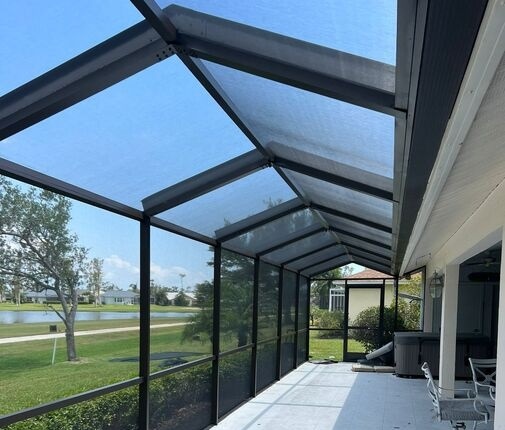

Quick answer: screening an existing porch starts with confirming that the porch, roof, posts, openings, floor, attachment points, drainage, and doors are suitable for the proposed system. Measure every opening, choose mesh for the actual exposure and use, and resolve damaged or uncertain conditions before installing screen.
This is a planning guide, not engineering, code, permit, or structural advice. Requirements vary by property and jurisdiction. Structural alterations, new walls or roofs, electrical work, and regulated construction must be handled by appropriately qualified parties.

Start With the Existing Porch
Document the porch before selecting materials. Look for movement, rot, corrosion, cracked framing, loose connections, water damage, uneven openings, failing paint, sharp edges, damaged doors, and surfaces that cannot hold a screen system reliably. Screen should not be used to hide an unresolved structural or moisture problem.
Porch-Screen Planning Checklist
| Item | What to record | Why it matters |
|---|---|---|
| Openings | Width, height, squareness, quantity, and obstacles | Determines panel layout, waste, and installation method |
| Existing structure | Material, condition, attachment surfaces, and visible damage | Screening depends on a suitable supporting system |
| Door path | Swing, clearance, threshold, latch, closer, and traffic | Affects access, safety, and daily use |
| Exposure | Sun, wind, rain, pets, landscaping, sprinklers, and debris | Guides mesh and maintenance decisions |
| Lower edge | Floor transition, gaps, kick plate, and drainage | Openings near the floor can admit pests or trap water |
| Local requirements | Association rules, permit questions, and regulated work | Must be confirmed before changing the structure |
Choose Mesh by Use, Not Marketing
- Standard insect screen: prioritizes common insect control, visibility, and airflow.
- Small-insect mesh: uses a tighter weave but can reduce airflow and visibility.
- Pet-resistant screen: is thicker and more damage-resistant, but no screen is pet-proof or escape-proof.
- Solar or privacy products: may change light, view, airflow, weight, and wind loading; verify compatibility with the frame and application.
- Aluminum or specialty mesh: has different handling, corrosion, tension, and compatibility considerations.
Plan Panels, Spline, and Doors Together
Panel size affects handling and tension. Mesh and spline occupy the same groove, so thicker mesh may require a different compatible spline. Door openings need appropriate clearance, hardware, closer operation, threshold conditions, and screen alignment. Do not force an oversized spline or over-tension mesh to compensate for a damaged frame.
When Repair Is Better Than a New Screen Layout
If the porch is already screened and the layout functions well, isolated torn panels, loose spline, worn door screen, or damaged lower sections may only need targeted service. If many panels are brittle, discolored, stretched, or failing at once, broader rescreening may provide more consistent material and tension.
When to Stop and Request Professional Review
- The roof, posts, beams, or attachment points move or appear damaged.
- There is major corrosion, rot, cracking, settlement, or recurring water intrusion.
- The change requires new structural framing, electrical work, glazing, or permit decisions.
- Large or elevated panels cannot be accessed safely.
- The existing groove, frame, or door opening cannot retain the proposed system.
Next Step for an Existing Porch
TD Screen FL can evaluate visible screen, spline, door, and existing-enclosure conditions within its confirmed scope. Learn about porch screen repair and screen enclosure repair, or request an estimate.
Frequently Asked Questions
Can every porch be screened?
No. The existing structure, openings, access, drainage, local requirements, and intended system must be suitable. Damaged or uncertain structural conditions should be reviewed before screening.
What is the best screen for a porch?
There is no universal best mesh. Choose according to insect size, airflow, visibility, pets, sun, panel size, frame compatibility, and maintenance priorities.
Should all porch panels be replaced at once?
Not necessarily. Limited damage may justify focused panel replacement. Widespread age, brittle mesh, loose spline, or inconsistent prior repairs can make broader rescreening more practical.