
Screening an Existing Deck or Patio: Service Questions
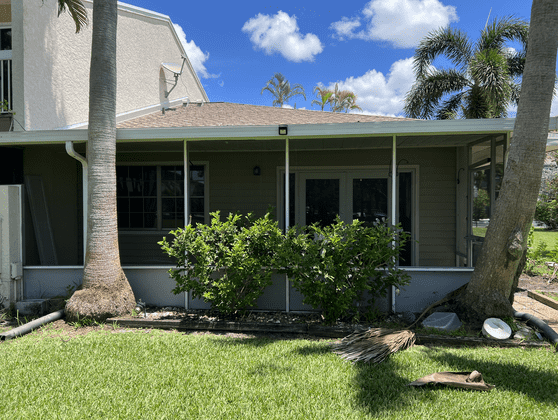
Screen service for a deck or patio should begin with an existing screened structure and a clear description of the visible problem. This article does not promise construction of a new deck enclosure, a new room, or a freestanding screening system. Confirm the Existing Screened Structure Photograph the full screened area and identify the panels, roof-screen sections, doors, and adjacent enclosure components. State whether the visible problem is limited to one area or appears across
Screen Roll Types for Florida Enclosures: Mesh Options
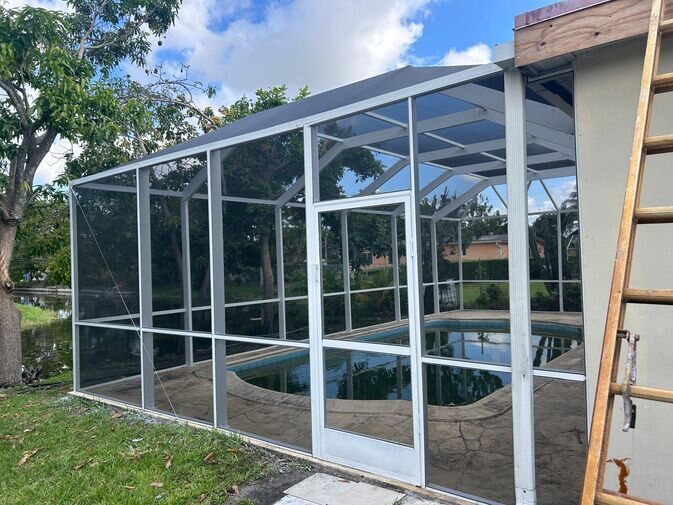
A screen roll is the supply format for screen mesh. The roll alone does not identify whether a material is appropriate for a specific enclosure, panel, door, frame, spline groove, or exposure condition. For screen enclosure rescreening, mesh selection should account for airflow, visibility, small-insect concerns, privacy, pet contact, sun exposure, wear, frame condition, spline compatibility, and the approved service scope. What a Screen Roll Does and Does Not Tell You Roll width and length
Benefits of Installing Lanai Screen Enclosure Kits
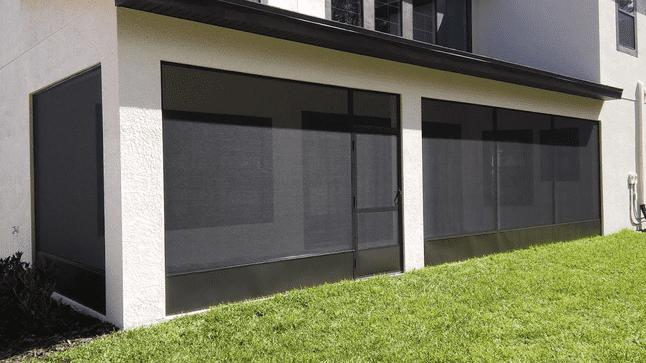
Homeowners often explore different options when improving a lanai or screened outdoor living area. While DIY screen enclosure kits are one option, they are not always the best solution for every property. In many cases, a professional inspection can determine whether repair, rescreening, or other enclosure services will restore the space without the need for a complete replacement. What Homeowners Should Consider Before choosing a DIY kit or replacement option, it’s important to understand the
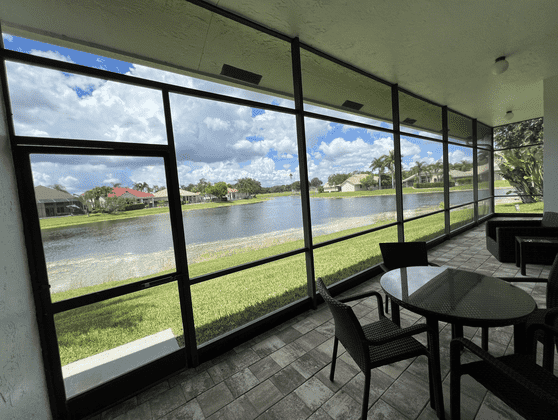
Sliding Screen Door Sizes and How to Measure for the Right Fit
Sliding screen doors are not truly one-size-fits-all. Two doors may be described with the same nominal size while still differing in frame height, panel width, track depth, roller position, handle placement, or spline channel. Before repairing or replacing a sliding screen door, measure the existing panel and inspect the track system carefully. This guide explains common sliding screen door sizes, the measurements that matter, and how to decide whether your existing door needs adjustment, rescreening,
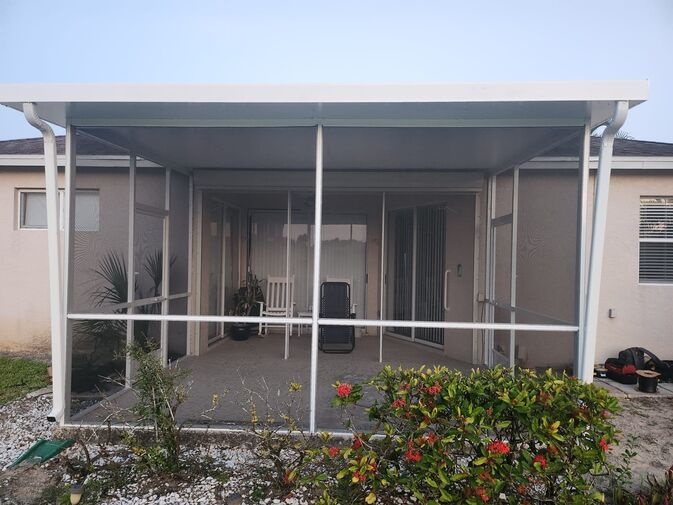
Patio Screen Mesh: What to Compare Before Service
The best mesh for an existing patio enclosure depends on the opening, frame condition, airflow and visibility preferences, exposure, pets, insects, and the approved repair or rescreening scope. No single screen type is the best fit for every patio. Start With the Existing Enclosure Before comparing mesh, check whether the problem is limited to one or two panels or appears across much of the enclosure. Repeated tears, brittle mesh, loose spline, sagging panels, door problems,
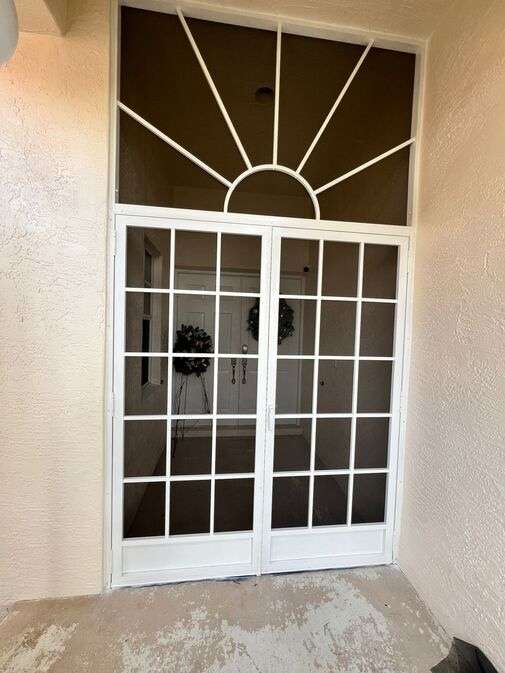
French Door Screens: Fit, Mesh, and Hardware Questions
French-door openings can use different screen configurations, so the visible door and screen setup must be identified before any work is approved. A problem that looks like a torn screen may also involve fit, track, hinges, latches, handles, or another part of the existing assembly. Identify the Existing Door and Screen Configuration Photograph the full opening with both door panels visible. Record whether the existing screen is hinged, sliding, retractable, removable, or part of another
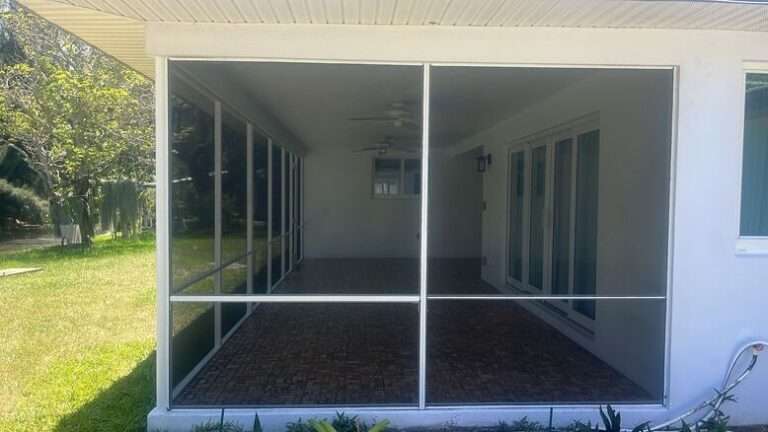
Retractable Patio Screens: What to Review Before Service
Retractable patio screens use several connected components, including mesh, tracks or guides, a housing, a pull bar, and operating hardware. When an existing screen does not open, close, align, or stay secured as expected, the service request should identify the visible condition before any repair scope is confirmed. Start With the Existing Screen System Photograph the full opening and the area where the problem appears. Note whether the screen is manual or motorized, how it
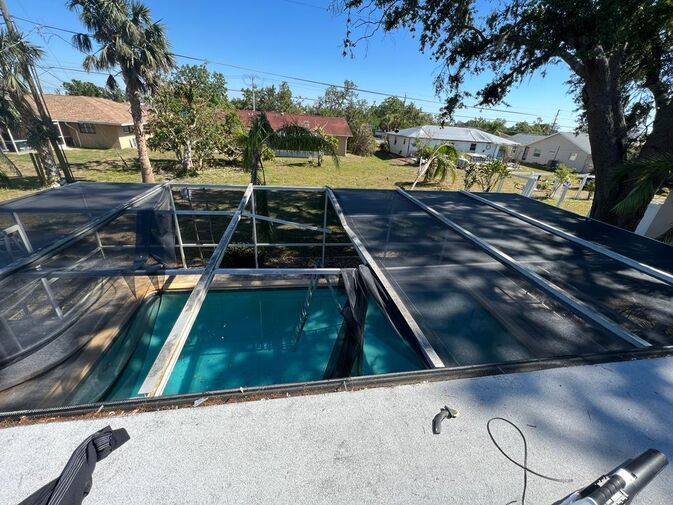
Hail Damage Screen Repair in Boynton Beach, Greenacres, and Wellington
What Should You Do After Hail Damages a Screen Enclosure? After a hailstorm, keep people and pets away from loose panels, sharp metal, fallen branches, electrical hazards, and unstable enclosure sections. From the ground, photograph the affected area before cleanup. A screen-enclosure inspection can then determine whether the damage is limited to mesh and spline or involves doors, fasteners, coating, gutters, or eligible aluminum-frame sections. Common Signs of Hail Damage Hail damage is not always
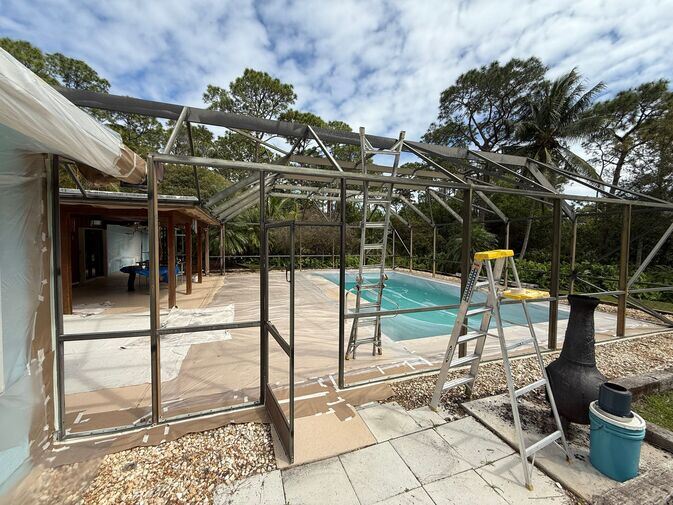
Screen Enclosure Painting: What to Review
Quick answer: Painting an existing screen enclosure is a condition-based restoration service. The frame, current coating, visible corrosion, screens, hardware, access, and surrounding surfaces should be reviewed before the scope is approved. What to Check Before Screen Enclosure Painting Peeling, fading, chalking, or another visible coating condition. Corrosion, backed-out fasteners, loose hardware, or eligible frame concerns that may require a separate scope. Screen panels, spline, doors, and nearby components that must remain protected or may