Screen enclosures are a valuable addition to any home, providing protection and comfort. However, they can face issues over time. One common problem is screen screws popping out. This can be frustrating and may lead to further damage if not addressed.
Understanding why this happens is crucial for effective repair. Various factors contribute to this issue, including weather conditions and material fatigue. Regular maintenance can help prevent these problems.
In this guide, we will explore the reasons behind this issue. We will also provide practical solutions for repair and maintenance. Whether you’re a DIY enthusiast or prefer professional help, this article will offer valuable insights.
Understanding Screen Enclosure Construction
Screen enclosures consist of various components working together to create a sturdy structure. Knowing these elements can help you identify issues early. The primary materials used in screen enclosures are aluminum frames and mesh screens. Each part plays a critical role in maintaining the integrity of your enclosure.
These enclosures are often supported by screws and brackets, creating a stable framework. The screws are typically placed at strategic points to maximize strength. The mesh acts as a barrier, keeping insects out while allowing fresh air to circulate.
Key components of a screen enclosure include:
- Aluminum frames: Lightweight yet strong.
- Screws and brackets: Essential for stability.
- Mesh screens: Provide protection and visibility.
Every part requires attention during regular maintenance. Proper installation and quality materials can prevent issues like screws popping out. Focusing on construction details can protect your investment long-term.
Common Reasons Screen Screws Pop Out
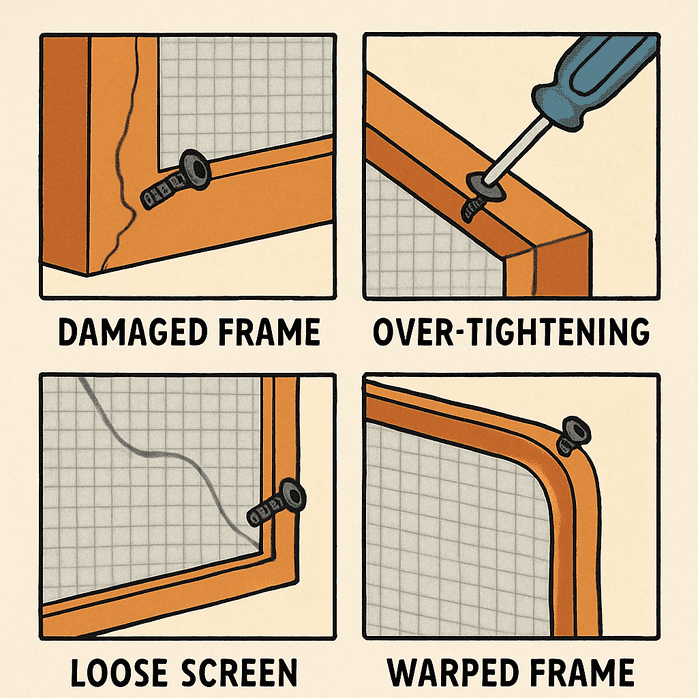
Screen screws may pop out due to a variety of reasons. Understanding these causes can help address the issue before it worsens.
Weather plays a significant role in this problem. High winds can apply lateral force, causing the screws to loosen. Over time, this stress can lead to screws detaching entirely.
Material fatigue is another major factor. Screws can wear out as materials expand and contract with temperature changes. Repeated cycles weaken the screw’s hold within the frame.
Poor installation is a common culprit. If the wrong screws or improper techniques are used, stability is compromised. Always ensure screws are appropriate for the frame material.
Corrosion can also weaken screws, especially in humid areas. Coastal environments increase the risk due to salty air. Rust reduces the screw’s effectiveness, leading to failures over time.
Frequently, homeowners overlook quality, using low-cost screws that can’t withstand environmental pressures. Quality screws ensure longevity and prevent frequent repairs.
List of common reasons for screws popping out:
- High winds and storms
- Material fatigue
- Incorrect installation
- Corrosion from humidity or salt air
- Inferior screw quality
Regular checks are essential to catch problems early. Understanding these factors can save time and money on repairs.

Signs Your Screws Need Attention
Spotting signs of loose screws early can prevent bigger issues. Regular inspection is key to maintaining your screen enclosure.
Look for visible gaps in the structure. Misalignment between frame sections can indicate screws have popped out. Pay attention to any sagging or unusual wobbling.
Rust or discoloration around screw heads is a warning sign. Corrosion weakens the screw’s integrity. In severe cases, rust may spread to the frame itself.
Listen for unusual noises, like creaking or rattling, during windy days. These sounds suggest that screws might be loose or missing. It’s crucial to investigate these noises quickly.
By creating a checklist, you can systematically inspect your screen enclosure. Key items to include:
- Gaps in the frame
- Signs of rust or wear
- Unusual noises
Early detection through these signs can extend the lifespan of your enclosure and minimize repair costs.
The Impact of Weather and Environment
Weather significantly affects the integrity of screen enclosures. High winds and storms can exert stress on the structure. This pressure often leads to screws loosening or popping out.
Humidity and coastal climates pose additional risks. Moisture from these environments promotes rust and corrosion in screws. Over time, corroded screws weaken and compromise the enclosure’s stability.
Seasonal temperature changes also play a role. As temperatures fluctuate, the aluminum frame may expand and contract. This movement can cause screws to work themselves loose over time.
To mitigate these environmental impacts, consider these strategies:
- Inspect after severe weather events
- Use rust-resistant materials
- Ensure proper drainage

Understanding these environmental influences allows for better prevention. Proactive maintenance helps in ensuring the longevity of your screen enclosure.
How to Inspect and Diagnose the Problem
Regular inspections are crucial for maintaining a secure screen enclosure. Begin by walking around the enclosure, observing for any visible signs of distress. Look for screws that appear to be protruding more than others.
Use a gentle push on the frame to detect any movement. Excessive movement may indicate screws have loosened over time. If necessary, use a screwdriver to check the tightness of the screws manually.
Pay attention to the condition of the metal. Check for rust or corrosion, especially in areas frequently exposed to moisture. These signs suggest that replacing the screws might be necessary.
To effectively diagnose the problem, follow these steps:
- Visually inspect all screws and joints
- Test stability with gentle pressure
- Examine for rust and corrosion
Staying vigilant about these checks can prevent larger issues. Early detection can save time and resources in the long run.
Choosing the Right Screws and Materials
Selecting the proper screws and materials is vital for screen enclosure longevity. Different environments dictate specific needs, making your choice significant. For instance, stainless steel screws are ideal for resisting rust, particularly in humid climates.
Consider the material of your screen enclosure frame. Aluminum frames benefit from screws designed for metal to metal contact. Selecting the right match ensures durable connections and reduces the likelihood of screws popping out.
Look for screws with a coated finish. This feature adds extra protection against corrosion and wear. Additionally, it’s wise to use screws with a self-tapping design, which can simplify the installation process.
Here’s what to consider when choosing screws:
- Material of the screws (e.g., stainless steel)
- Frame compatibility (metal to metal or wood)
- Coated finish for extra protection
Choosing wisely can make all the difference in maintenance needs down the line. Your screen enclosure will stay secure with the proper hardware, standing firm against environmental challenges.
When to Call a Professional for Pool Screen Repair
Knowing when to call a professional can save time and prevent further damage. If you encounter large-scale issues like extensive corrosion or severe frame misalignment, it’s best to consult an expert. Professionals possess the experience and tools needed to handle complex repairs.
Another sign to contact a professional is when DIY attempts do not resolve the issue. Persistent problems might indicate underlying structural faults that require expert evaluation. Opting for professional assistance can ensure a comprehensive approach to repairs.
Consider hiring a professional when you notice:
- Major frame damage
- Persistent screw issues
- Excessive corrosion
- Failed DIY repairs
Remember, timely intervention can protect your investment and enhance the lifespan of your screen enclosure.
Preventative Maintenance Tips for Screen Enclosures
Preventative maintenance is key to ensuring the longevity of your screen enclosure. Regular inspections help catch potential issues before they escalate. Check for loose screws and signs of wear at least twice a year.
Cleaning plays a vital role in maintenance. Debris buildup can affect the structural integrity and lead to screw popping. Regularly wash the screen and frame to remove dirt and prevent moisture-related issues.
Implement the following tips for effective maintenance:
- Inspect for loose screws
- Clean the structure regularly
- Check for rust or corrosion
- Re-tension sagging screens
- Lubricate moving parts
Taking these simple steps can prevent costly repairs and protect your investment over time. Consistent care also enhances the appearance and functionality of your enclosure, providing peace of mind and enduring use.
Frequently Asked Questions About Screen Enclosure Screws
Screen enclosure screws often puzzle many homeowners. Here, we address some common queries that might help clear doubts.
Why do screws loosen over time?
Screws may loosen due to material fatigue and temperature changes. Both can cause the aluminum frame to expand and contract.
What type of screws should I use for replacement?
Stainless steel or coated screws are ideal for longevity. They resist corrosion and provide a strong hold.
Can I fix popped screws on my own?
Yes, you can. With basic tools and knowledge, many homeowners complete this repair successfully.
Protecting Your Screen Enclosure Investment
Maintaining your screen enclosure is crucial to protecting your investment. Regular inspections and timely repairs can extend its lifespan.
By understanding potential issues, you can address problems before they escalate. This proactive approach saves money in the long run.
When in doubt, consult a professional. Their expertise can ensure the job is done right and your enclosure remains sturdy and secure. For expert assistance or to schedule an inspection, contact us today.