(305) 540-7222

Call Broward/Miami Pros

(728) 200-9880

Call Palm Beach Pros

Repair vs Replace Pool Cage: Which Saves More Money in Florida?

Deciding whether to repair or replace a pool cage can be challenging. Florida homeowners face unique weather conditions that impact this decision. Pool cages protect against debris and insects, essential in Florida’s climate.

Repairing a pool cage can be cost-effective. It often involves screen replacement or frame repainting. However, severe damage might necessitate a full replacement.

Replacement offers a chance to upgrade to modern designs. Newer materials can provide better durability and features. This decision can also enhance property value.

Understanding the costs and benefits is crucial. This guide will help you make an informed choice. Save money and maintain your pool’s safety and aesthetics.

Understanding Pool Cages in Florida

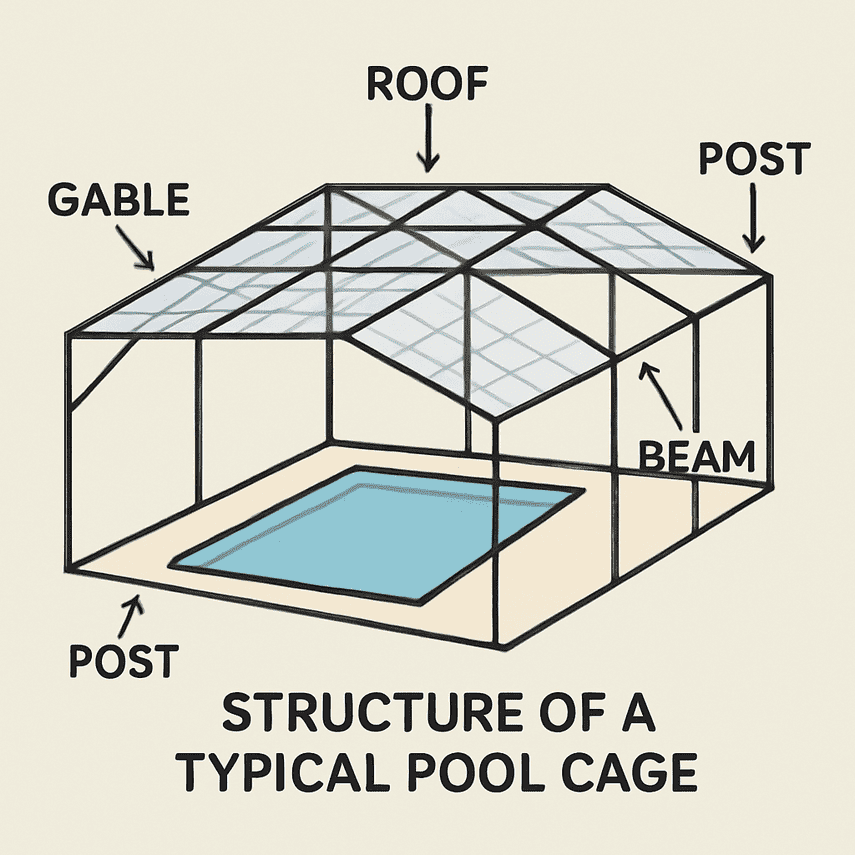
Pool cages are vital for homeowners in Florida. They provide essential protection against the environment and wildlife. These structures enhance pool safety and cleanliness.

Florida’s climate poses unique challenges for pool enclosures. Heavy rains, strong winds, and intense sunlight are common. High humidity can also accelerate wear and tear.

Several materials are available for pool cages, with aluminum being most popular. Aluminum is resistant to rust and durable. These features make it ideal for Florida’s wet and hot climate.

Main Functions of Pool Cages:

  • Protect against insects and debris
  • Enhance the aesthetic appeal of the pool area
  • Ensure safety by preventing unauthorized access

Main Functions of Pool Cages

Understanding the benefits and potential problems of pool cages helps homeowners decide. Whether to repair or replace depends on several factors. These include the age, condition, and material of the pool cage.

Common Issues with Pool Enclosures

Pool enclosures can face a variety of issues over time. Understanding these problems is key to maintaining their longevity. Early detection and intervention can save money.

Common problems include tears in the screen and corrosion. Strong winds and debris can easily tear pool screens. This compromises the enclosure’s effectiveness in keeping out insects.

Corrosion is another frequent issue, especially with metal frames. Florida’s humidity accelerates rust, weakening the structure. Regular maintenance is crucial to prevent long-term damage.

Common Issues to Watch for:

  • Torn or sagging screens
  • Corroded or rusted metal frames
  • Loosened screws and hardware

Common Issues with Pool Enclosures

Hardware might also loosen over time. Florida’s weather can be unkind, causing gradual wear. Routine inspections help catch these issues early. This proactive approach reduces repair costs and preserves the structure’s integrity.

Pool Enclosure Repair: What’s Involved and When Is It Enough?

Repairing a pool enclosure can often be a practical choice. It involves addressing specific issues without replacing the entire structure. Screen enclosure repair tackles common problems like torn or sagging screens.

Screen replacements are quick and cost-effective. This process revives the pool area, maintaining its functionality. Likewise, hardware tightening ensures the frame remains secure.

Repainting the frame is another repair option. This not only improves the appearance but also protects against corrosion. Restoring the paint layer can greatly extend the lifespan of the enclosure.

When deciding if repair is enough, assess the damage. Minor issues can often be fixed inexpensively. However, extensive damage may necessitate more significant intervention.

Key Repair Tasks:

  • Screen replacement
  • Frame repainting
  • Hardware tightening

Pool Enclosure Repair What’s Involved and When Is It Enough

Consider the age of the structure too. Older enclosures with frequent issues might signal it’s time for an upgrade. Seek professional advice for a comprehensive assessment. This ensures the chosen solution aligns with your long-term needs and budget.

Pool Cage Replacement: When Is It Necessary?

Sometimes, repair isn’t enough, and replacement becomes the wisest choice. Severe damage or corrosion can compromise the structure’s safety and effectiveness. In Florida, hurricanes and harsh weather can wreak havoc on pool cages.

When the frame is beyond repair, replacing the cage is crucial. Older enclosures lacking modern features might not meet current safety standards. Replacement offers a chance to upgrade to durable, hurricane-resistant designs.

The cost of replacing a pool cage includes several factors. These include labor, materials, and possibly permits. Despite initial expenses, replacement can enhance property value and provide peace of mind.

Deciding to replace a pool cage depends on various signs. Persistent repair needs suggest the need for a new structure. Also, if the cage no longer provides adequate protection or functionality, it’s time for an update.

Indicators for Replacement:

  • Extensive frame corrosion
  • Frequent repair needs
  • Outdated design and features

Upgrading to a new pool cage can transform your outdoor space. It can provide better aesthetic appeal and improved functionality. Consider replacing when the benefits clearly outweigh the costs.

Cost Comparison: Repair vs Replace Pool Cage in Florida

In Florida, homeowners often face the decision to repair or replace their pool cages. Understanding the costs involved in both options is crucial. Repairing a pool cage is typically cheaper upfront. It involves tasks like screen replacements, frame repainting, and hardware fixes. However, the cost can vary based on the size and severity of damage.

In contrast, replacing a pool cage entails significant expenses. These costs include new materials, labor, and possibly permits. While the initial investment is higher, a new pool cage can offer long-term savings through reduced maintenance.

Let’s compare typical costs:

Repair Costs:

  • Screen replacement: $100 – $400
  • Frame repainting: $1,000 – $2,500
  • Hardware fixes: $200 – $800

Replacement Costs:

  • New pool cage installation: $5,000 – $15,000
  • Material upgrade: $1,000 – $3,000
  • Permit fees: $100 – $500

Cost Comparison, Repair vs Replace Pool Cage in Florida

When making a decision, weigh repair’s immediate savings against replacement’s long-term benefits. Consider potential property value increases with a new cage. Evaluate your situation to determine which option aligns with your budget and future goals. In Florida, investing in a pool cage can enhance your home’s functionality and aesthetic appeal.

Factors to Consider Before Deciding

Choosing whether to repair or replace your pool cage involves several key factors. First, assess the age and condition of your existing structure. A newer cage with minor damages might benefit from repairs, extending its life.

Next, consider the extent of the damage. Are the issues merely cosmetic, like chipped paint, or do they include structural problems such as rust and corrosion? Severe damage may necessitate a full replacement to ensure safety.

Evaluate future maintenance costs. A repaired cage may require ongoing upkeep, while a new one could reduce the need for frequent repairs. Additionally, think about the aesthetics and functionality improvements a new cage might provide.

Key factors to weigh include:

  • Age and condition of the cage
  • Extent and type of damage
  • Future maintenance and repair needs
  • Aesthetic and functional benefits

Finally, think about any plans to sell or renovate. A new pool cage could increase property value and appeal, making it a worthwhile investment.

Pool Enclosure Restoration: An Alternative Solution

Pool enclosure restoration offers a cost-effective alternative to complete replacement. This process can refresh and rejuvenate the appearance and functionality of your enclosure. It often involves thorough cleaning, repainting, and screen replacement, enhancing both durability and aesthetics.

Restoration can extend the life of your existing structure, making it a practical choice for those with limited budgets. It allows you to address specific areas in need of attention, improving overall strength and safety without a full overhaul.

Consider these typical elements in a restoration project:

  • Pressure washing to remove dirt and mold
  • Repainting the frame for a refreshed look
  • Replacing torn screens with new, durable materials

Embracing restoration can also reduce environmental impact by minimizing waste. The process is quicker than replacing the entire cage, allowing you to resume pool use sooner. Therefore, restoration offers a smart blend of savings and functionality for Florida pool owners.

Enclosure Removal: When and Why It’s Needed

Enclosure removal becomes necessary when the structure is beyond repair. Severe damage from storms or corrosion can compromise safety, requiring removal and eventual replacement. Sometimes, aged pool cages no longer meet modern building standards, prompting removal for updated designs.

Here are some situations that might require enclosure removal:

  • Structural damage posing safety risks
  • Non-compliance with current building codes
  • Plans for a new design or layout

Removing the old structure prepares the ground for a fresh, robust pool enclosure. This step ensures that subsequent installations meet safety and aesthetic requirements effectively.

Professional vs DIY: What’s Best for Your Pool Cage?

Deciding between professional services and DIY efforts depends on several factors. The complexity of the damage and one’s skill level play crucial roles. Consider the pros and cons before making your decision.

Here’s what to consider:

  • Extent of damage: Large repairs might need experts.
  • Skills available: DIY requires some handyman skills.
  • Cost: Professionals may cost more initially.

DIY projects can save money but may not match professional quality. Professionals ensure longer-lasting fixes with less hassle. Assess your capabilities and the specific needs of your pool enclosure to make the best choice.

Maximizing Savings and Value: Tips for Florida Homeowners

Homeowners in Florida can strategically save money on pool cage repairs and replacements. Taking small proactive steps can help avoid costly issues in the future. Proper care and smart decisions can make a big difference.

Here are some tips to consider:

  • Regular maintenance: Clean and check for damages monthly.
  • Early repairs: Fix small issues before they grow larger.
  • Use quality materials: Invest in durable, rust-resistant materials.

Additionally, compare costs from multiple contractors before making a decision. This ensures you get the best deal available. Staying informed about current trends and materials can also increase the longevity and functionality of your pool enclosure. A well-maintained pool cage not only saves money but also enhances the aesthetic and usability of your outdoor living area.

Making the Right Choice for Your Pool Enclosure

Deciding between repairing or replacing your pool cage involves considering various factors. Assess the extent of damage, costs, and long-term benefits. Each option has its advantages depending on your specific situation.

In Florida’s climate, pool cages are essential, so making an informed decision is crucial. By weighing repair costs against replacement benefits, you can choose the best path. A well-maintained pool enclosure not only provides protection but also enhances your property’s value and aesthetic appeal. Make the decision that aligns with both your budget and lifestyle needs.

Not sure which option is right for you? Contact us today for a free inspection and expert recommendation—so you can protect your pool and invest wisely.

Scroll to Top

Free Phone Estimate -
No Obligation

We offer free on-site estimates based on what we see in person. You can call us now or leave your details and we will get back to you quickly.