Coverage for a pool screen enclosure depends on the insurer, policy language, endorsements, exclusions, limits, deductibles, property, and cause of loss. Do not assume that the enclosure is covered under the dwelling or other-structures portion of a policy. Review the current documents and obtain answers from the insurer or a licensed insurance professional.
TD Screen FL is not an insurance agency and does not determine coverage, deductibles, claim value, legal causation, or whether an insurer will approve a repair.
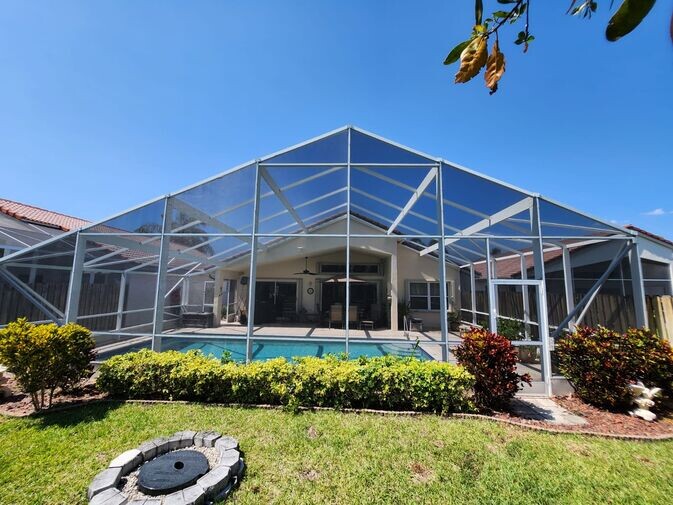
Start With the Policy and Declarations
Locate the current declarations page, policy form, endorsements, exclusions, and deductible information. Ask the insurer to identify the exact language that applies to the screened enclosure or pool cage. Coverage can differ even between policies issued by the same company.
Confirm whether the enclosure is treated as part of the dwelling, another structure, a separately limited feature, an excluded item, or property that requires an endorsement.
Ask About Screened Enclosure Coverage
The Florida Department of Financial Services explains that some insurers may limit or exclude screened-enclosure coverage and may offer an endorsement for screened enclosures, aluminum-framed carports, pool cages, or related property. Definitions and available limits vary by company.
Ask whether an endorsement is available, what property it includes, which causes of loss apply, and whether a separate limit or deductible is used. Purchasing an endorsement does not guarantee that every type of damage will be covered.
Coverage Questions to Confirm in Writing
Ask the insurer or licensed insurance professional:
- Is the pool screen enclosure covered, excluded, or separately limited?
- Is an endorsement required for hurricane or wind damage?
- Which deductible applies to a named hurricane, windstorm, or another covered event?
- Are screen panels, doors, hardware, fasteners, paint, or aluminum components treated differently?
- Does the policy use actual cash value, replacement cost, depreciation, or another valuation method for this property?
- What inspections, photographs, receipts, maintenance records, or estimates are required?
- Must the insurer inspect before permanent repairs or disposal?
- Does the policy require a managed-repair contractor or preferred vendor?
Do not rely on a verbal generalization when the current policy can provide the controlling terms.
Document the Enclosure Before Damage
Keep dated photographs or video showing the enclosure, screen panels, doors, hardware, fasteners, paint, and visible aluminum condition. Retain relevant estimates, invoices, maintenance records, and completed-work documents.
Documentation may help describe pre-loss condition and completed work, but it does not guarantee coverage, payment, or claim approval.
What to Do After Damage
Report the loss promptly according to the policy. Make and document emergency repairs that are necessary to prevent further damage. Keep damaged property when feasible, retain receipts, and take photographs or video before and after emergency work.
Ask the insurer for instructions before permanent repair or disposal. Follow official safety guidance and do not enter or approach an enclosure that appears unstable.
What TD Screen FL Can Provide
TD Screen FL can document visible conditions relevant to an estimate and describe an approved screen repair, rescreening, restoration, hardware, painting, pressure-cleaning, or eligible aluminum-repair scope. The company does not determine insurance coverage, engineering requirements, code compliance, claim causation, or claim value.
If an insurer requires a particular estimate format or documentation, obtain those requirements before the service estimate is prepared.
Request an Enclosure Service Estimate
For visible damage, TD Screen FL can prepare an estimate for pool screen repair, screen enclosure rescreening, or pool screen enclosure restoration based on the enclosure condition and available service scope. Call (305) 540-7222 or use the online contact form after confirming any insurer documentation requirements.