Permit requirements for pool cage rescreening depend on the exact work and the city or county enforcing agency. Screen-only work, door or latch changes, frame repair, electrical work, layout changes, and permitted structural work may be treated differently. Confirm the current requirements with the local building department before work begins. If the project requires permitted structural work, use the appropriately qualified professional for that scope.
- Screen-only permit requirements vary by city, county, and exact scope.
- If you’re changing the frame, roof, doors, or layout, a permit is more likely.
- HOAs may require approval even when the city does not.
- Unpermitted work can cause fines, inspection issues, and insurance / resale problems.
- Written scope, current local requirements, and the appropriate qualified professional for any permitted work can help reduce uncertainty.
Why Pool Cages Matter in South Florida
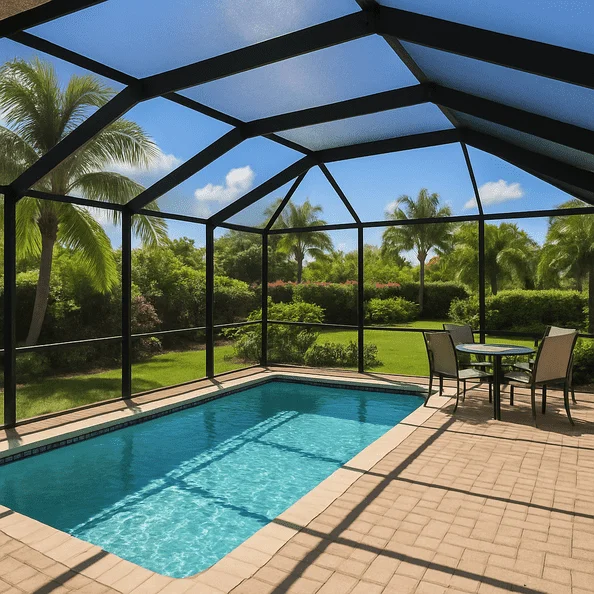
Pool cages (screen enclosures) are common in South Florida because they improve comfort and reduce upkeep in a climate with intense sun, heavy rain, and insects. If your enclosure already has tears or loose panels, professional pool screen repair can restore comfort fast.
A well-maintained pool enclosure helps with:
- Defined outdoor area: Creates a screened boundary but is not a substitute for a required pool-safety barrier
- Cleaner pool area: Blocks leaves, debris, and bugs
- Comfort: Helps reduce pests like mosquitoes
- Resale appeal: A clean, functional enclosure can be a selling point
Regular maintenance—including rescreening—keeps your enclosure performing the way it should. For older cages with multiple weak panels, pool screen enclosure restoration can be a smart upgrade.
What Pool Cage Rescreening Includes
Rescreening usually means replacing old or damaged screen mesh while keeping the existing enclosure structure in place. If the structure is still solid but the mesh is failing, screen enclosure repair and replacement is often the right scope.
Most rescreening projects follow this process:
- Inspect screens, spline, fasteners, and frame condition
- Remove torn, sagging, or brittle screening
- Install new mesh with proper tension and secure attachment
- Check doors, latches, and panels for fit and safe operation
Common screen material options:
- Fiberglass mesh: Common and cost-effective
- Polyester mesh: Stronger and more tear-resistant
- Solar / specialty mesh: Helps reduce heat and glare
- Pet-resistant mesh: Designed to handle impacts and scratching
Florida Pool Enclosure Rules
Florida uses a statewide building-code framework, while local agencies enforce permitting and inspections. Requirements depend on the property, permitted design, component, and proposed work. TD Screen FL can review visible enclosure conditions and prepare an estimate for services it performs; it does not decide permit, engineering, or code requirements. Eligible maintenance services such as screw replacement may be included when supported by the visible condition and approved scope.
In general, local codes care most about:
- Structural changes to the enclosure
- Doors, gates, and other access points
- Framing condition and anchoring
- Work that changes the enclosure’s originally approved design
Confirm Permit Requirements Before Rescreening
Do not assume that screen-only work is permit-exempt. The answer depends on the exact scope and local enforcing agency. Describe whether the work is limited to mesh or also includes doors, latches, kick plates, framing, anchoring, electrical items, layout, or another alteration, and obtain the current answer from the city or county building department.
If damaged framing or another condition is discovered, pause before expanding the scope. TD Screen FL can review visible screen and eligible repair needs, but engineering, permitted structural design, and new enclosure construction require the appropriate qualified professional.

County and City Permit Differences
South Florida permit requirements can vary across:
- Miami-Dade County
- Broward County
- Palm Beach County (and then further by individual cities)
Even within the same county, one city may require a permit while another may not—especially if:
- Your home is in a coastal or high-wind area
- Your enclosure has a history of violations
- The city applies a stricter definition of “repair” vs. “alteration”
- Your property is in a special zoning area or community with enhanced rules
How to Confirm Permit Requirements
When you contact your local building department, ask these questions:
- Is screen-only rescreening considered maintenance here?
- Does replacing screen panels require a permit in my city?
- If the frame needs minor repair, does that change the requirement?
- Are inspections required after the work is done?
- Do you require a licensed contractor for this scope of work?
Have this ready:
- Property address
- A short scope description (screen mesh replacement only, or includes frame repair)
- Contractor details (if using one)
How the Permit Process Usually Works
If your project crosses into alteration territory, permit steps often include:
- Submit an application (online or in person)
- Provide documentation (drawings, specs, and contractor license/insurance if required)
- Pay permit fees (varies by city and county)
- Schedule inspections if required
- Close the permit after passing inspection
A contractor who frequently works in your area can often handle this efficiently. If your enclosure needs broader upgrades, pool screen enclosure restoration may include coordinating the right scope and materials for Florida conditions.
Choosing the Appropriate Professional for the Approved Scope
Before work begins, confirm the exact scope, whether a permit or inspection is required, and which qualifications the jurisdiction requires. Review the written estimate, recent relevant work, insurance information where applicable, and how permit responsibilities will be handled. TD Screen FL can prepare an estimate for services it performs; engineering, permitted structural design, and new enclosure construction must be handled by the appropriate qualified professional.
What Happens If You Skip a Required Permit?
Skipping a required permit can lead to:
- Fines or stop-work orders
- Issues during a home sale if unpermitted work is flagged
- Insurance claim problems if damage is tied to unpermitted changes
- Retroactive permitting costs and possible rework to meet code
Even if the job feels minor, it’s usually not worth the risk. If you’re unsure whether your scope counts as “repair” or “alteration,” start with an enclosure inspection and repair assessment to confirm what’s actually needed.
Signs Your Pool Cage Needs Rescreening
Common indicators:
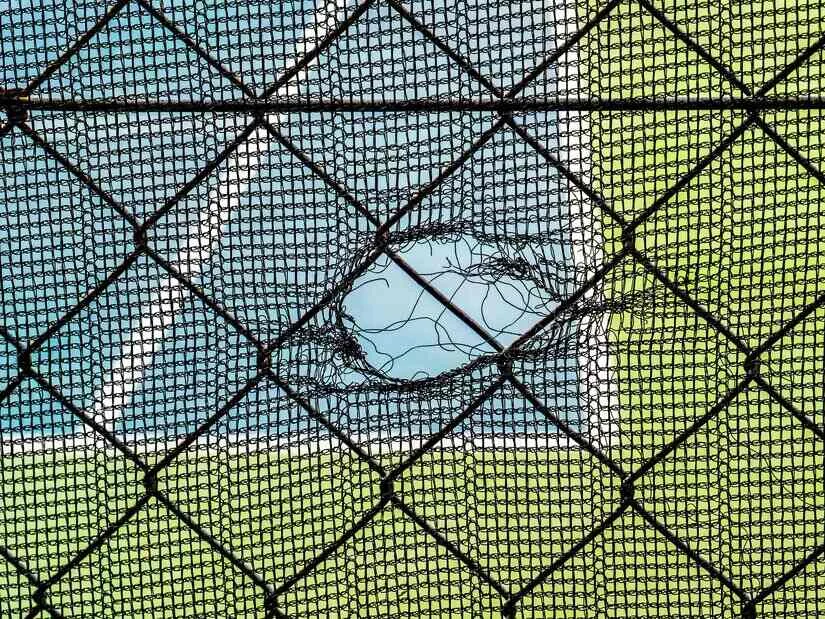
- Rips, tears, or holes in mesh
- Sagging or loose panels
- Rusted or corroded fasteners
- Screens pulling out of the frame
- More bugs and debris entering the enclosure
South Florida Weather: Why Maintenance Matters More Here
South Florida conditions can accelerate wear:
- UV exposure breaks down screening over time
- Humidity and rain contribute to corrosion and mold
- Storm winds can loosen panels and damage fasteners
Plan for:
- Routine inspections, especially before and after storm season
- Fast repairs when small issues appear
HOA Considerations
Even if your city doesn’t require a permit, your HOA may require approval for:
- Visible material changes (screen type, color, or tint)
- Contractor approval processes
- Documentation before work begins
Always check HOA rules before scheduling. If you’re changing appearance (like darker mesh or refreshed finishes), screen enclosure painting may also require HOA review depending on your community.
Need Help With Pool Cage Rescreening in South Florida?
Permit requirements depend on the exact scope and local enforcing agency. Confirm current requirements with the city or county building department before work begins, including for screen-only work.
For a screen-only or enclosure-maintenance estimate, TD Screen FL can review visible conditions and prepare an approved service scope.
TD Screen FL can replace damaged screening and address eligible hardware or repair items included in the approved estimate. Start by requesting a quote through our online contact form, or call (305) 540-7222 to schedule an estimate. If you already know the enclosure needs work, you can also explore pool screen repair or screen enclosure repair and replacement for larger rescreening needs.
Frequently Asked Questions
Do I need a permit if I’m only replacing the screen mesh?
It depends on the exact scope and local enforcing agency. Confirm with the city or county building department before work begins.
What if the frame has minor damage?
Frame damage can change the repair scope and the qualifications or permit process that may apply. Pause and confirm requirements with the local building department before expanding the work.
Can I rescreen a pool cage myself?
Rescreening quality depends on correct mesh selection, tension, spline fit, access, door operation, and enclosure condition. Homeowners should also confirm local permit and HOA requirements before work begins.
Will unpermitted work affect resale value?
Unpermitted work can create inspection, sale, insurance, or retroactive-permit concerns, but the effect depends on the property and jurisdiction. Confirm the specific situation with the local building department and relevant real-estate or insurance professionals.